
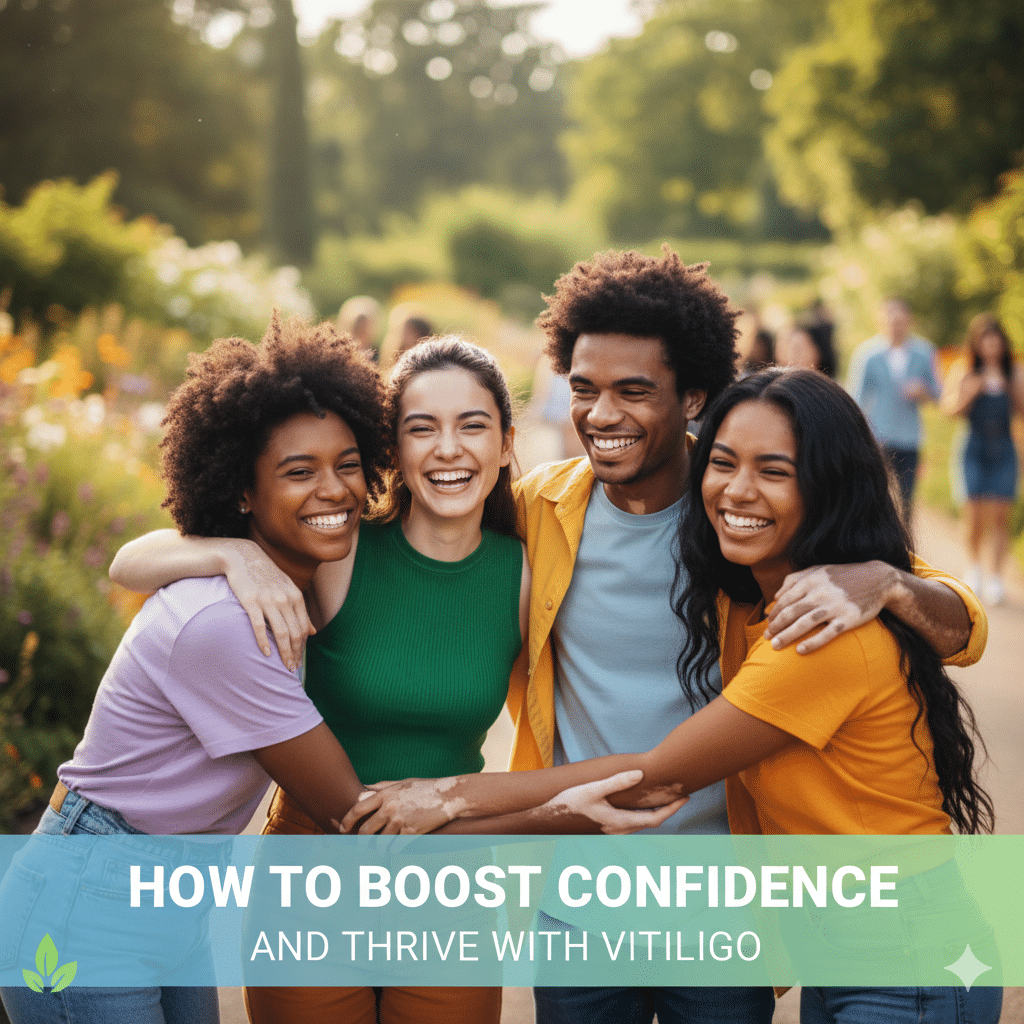
Vitiligo is more than a skin condition—it’s an emotional journey. While the changes in skin pigmentation can affect self-esteem, relationships, and daily life, many people with vitiligo learn to embrace their identity with renewed strength and positivity. With the right mindset, practical strategies, and reliable support, you can confidently navigate life and flourish with vitiligo.
Embracing Your Unique Beauty
One of the most empowering steps on your vitiligo journey is learning to embrace your natural appearance. Instead of viewing vitiligo as a flaw, consider it a unique part of your identity—something that sets you apart.
Ways to Celebrate Your Uniqueness
- Practice self-acceptance: Focus on what makes you strong, not just what makes you different.
- Find role models: Many influencers and public figures openly share their vitiligo stories, inspiring others to feel proud and confident.
- Challenge negative stereotypes: The more people see vitiligo, the more normalized it becomes. By being yourself, you help break stigma.
Mindset Shifts & Mental Health Strategies
Living with a visible skin condition may sometimes trigger anxiety, self-consciousness, or emotional stress. Prioritizing mental well-being is essential.
Helpful Mindset and Mental Health Tools
- Mindfulness and meditation: These practices help calm overwhelming thoughts and improve self-awareness.
- Positive self-talk: Replace self-criticism with affirmations that reinforce your worth.
- Stress management: Yoga, journaling, breathing exercises, or hobbies can help reduce emotional tension.
- Professional counseling: Speaking with a therapist—especially one familiar with chronic conditions—can provide coping techniques and emotional support.
- Support groups: Connecting with others who share similar experiences reduces isolation and builds a sense of belonging.
Also Read: Vitiligo – Types, Symptoms, Causes, Treatment Options, Myths and more
Practical Tips to Thrive With Vitiligo
Thriving with vitiligo goes beyond emotional strength. Making thoughtful lifestyle choices can help you feel more confident in your daily routine.
1. Skin Care That Supports You
- Use broad-spectrum sunscreen daily to protect sensitive areas.
- Choose gentle, fragrance-free skincare to maintain skin health.
- Moisturize regularly to reduce dryness and irritation.
2. Makeup & Camouflage Options
Camouflage makeup isn’t mandatory, but if it boosts your confidence, explore:
- Color-correcting concealers
- Full-coverage foundations
- Hypoallergenic products designed for sensitive skin
- Setting sprays or powders for long-lasting results
3. Confident Personal Style
Wear clothes that make you feel comfortable and expressive. Many people choose colors or styles that highlight their personality—not their condition.
4. Stay Informed About Treatment Options
If you’re interested in medical treatments, stay updated on:
- Topical creams
- Phototherapy
- Surgical options
- Laser treatments
- Emerging therapies
Always consult a dermatologist for personalized guidance.
5. Share Your Story
Educating others helps create awareness, reduce stigma, and empower future generations. You can share through:
- Social media
- Community events
- Online forums
- School or workplace discussions
Also Read: What is Autoimmune Disorder? Understand Linkage with Vitiligo
Building Strong Support Networks
Having a supportive community is essential for emotional well-being. You don’t have to walk this journey alone.
Where to Find Support
- Vitiligo support groups (online and offline)
- Dermatologists who specialize in pigmentary conditions
- Mental health counselors
- Vitiligo advocacy organizations
- Awareness campaigns that encourage inclusion and education
A strong support system provides encouragement, practical advice, and a sense of belonging.
Summary
Thriving with vitiligo means nurturing your confidence, caring for your mental and physical well-being, and surrounding yourself with understanding people. With self-acceptance, practical strategies, and supportive communities, you can live a deeply fulfilling and empowered life.
Vitiligo does not define you—your strength, resilience, and spirit do.
FAQs
Q1: How can I build self-confidence with vitiligo?
You can build confidence by practicing self-acceptance, using positive affirmations, engaging in counseling, and connecting with communities that understand your journey. Confidence grows when you focus on your strengths rather than your appearance.
Q2: Are there makeup options for covering vitiligo patches?
Yes. Full-coverage foundations, color-correcting concealers, and hypoallergenic makeup products help camouflage patches effectively. Choose products formulated for sensitive skin and use setting powder for longer wear.
Q3: Can support groups help with the emotional impact of vitiligo?
Absolutely. Support groups offer shared experiences, emotional comfort, coping strategies, and a sense of community. They are especially helpful for reducing feelings of isolation.
Q4: Does vitiligo affect mental health?
For some people, vitiligo can lead to anxiety, depression, or low self-esteem. Seeking help from mental health professionals and practicing emotional wellness strategies can improve overall well-being.
Q5: How can I raise awareness about vitiligo?
You can educate others by sharing your experience on social media, joining awareness events, creating informative posts, or participating in advocacy campaigns that promote understanding and acceptance.

