
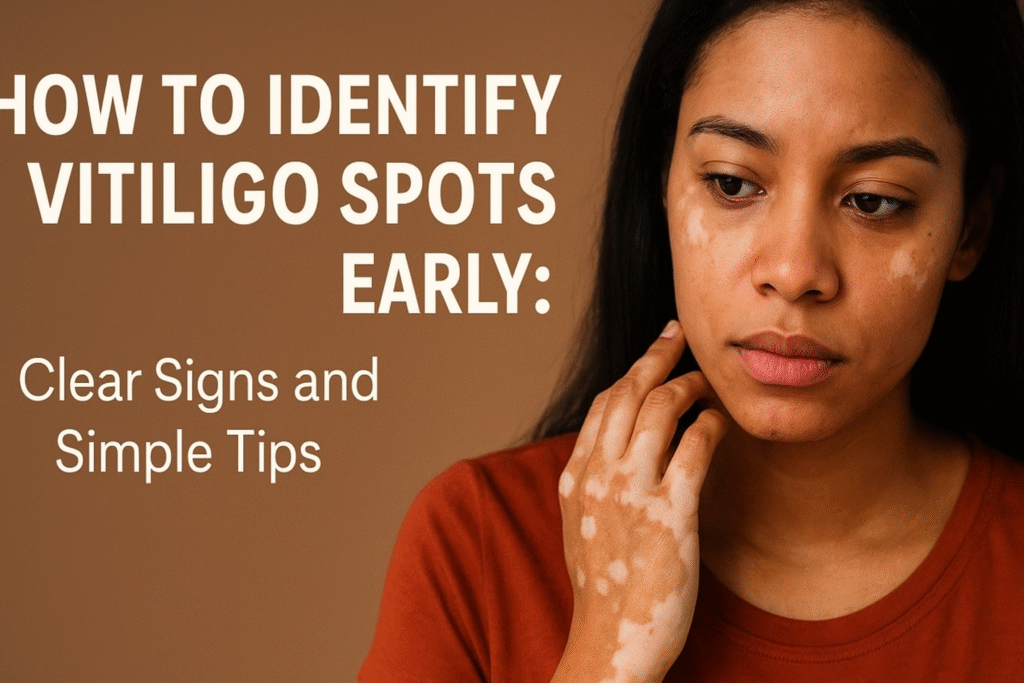
Identifying vitiligo spots early can make a big difference in management and confidence. Vitiligo most often appears as smooth, pale or white patches on the skin, commonly starting on sun-exposed areas like the face, hands, and feet. Here’s a detailed, SEO-friendly guide to spotting the first signs of vitiligo, plus answers to common questions—written in clear, easy-to-understand language for every reader.
What is Vitiligo?
Vitiligo is a long-term skin condition where patches of the skin lose their color. This happens because the cells that produce pigment (melanocytes) are destroyed or stop functioning, leading to white or lighter spots that can be more noticeable in people with darker skin.
How to Identify Vitiligo Spots
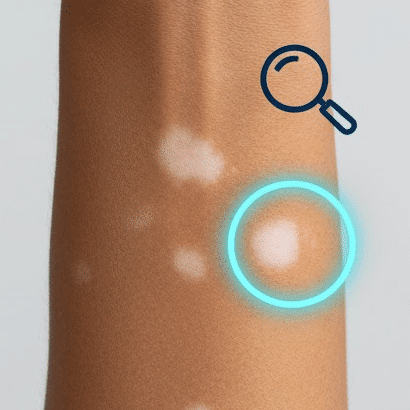
- Patchy Loss of Skin Color: The most common sign is patchy discoloration. The patches are usually milky-white or light and have smooth, even edges. They often start on the hands, face, arms, and around body openings, like the eyes and mouth.
- Symmetrical Pattern: In many cases, spots appear on both sides of the body in a nearly symmetrical way (e.g., both hands or both knees).
- Texture Remains Normal: The affected skin feels like the rest of your skin—there’s no difference in texture. Vitiligo patches usually don’t itch, hurt, or become raised or scaly.
- Color Change in Hair: Sometimes, people notice early graying or whitening of the hair on their scalp, eyelashes, eyebrows, or beard.
- Oral and Genital Changes: Loss of pigment might also be seen inside the mouth (on the lips, gums, or inside the cheeks) or around the genitals.
- Sun Sensitivity: The depigmented patches are more sensitive to sunlight and sunburn easily, sometimes making the contrast with the surrounding skin even more noticeable.
- Slow and Progressive: Vitiligo spots often start small and grow slowly over weeks or months. Sometimes, new patches stop appearing without treatment, but usually, they spread gradually.
Also Read: First Signs of Vitiligo: How to Identify Skin Changes Early
Medical Tools for Confirmation
- Wood’s Lamp Test: Dermatologists may use a special ultraviolet (UV) lamp called a Wood’s lamp. Under this light, true vitiligo spots glow bright blue-white, helping distinguish them from other lighter patches.
- Dermoscopy: This non-invasive tool allows dermatologists to see subtle pigment changes not obvious to the naked eye, confirming the diagnosis and helping track disease progression.
- Skin Biopsy: Rarely, a tiny sample of skin is taken to check for the absence of pigment-producing cells (melanocytes), confirming vitiligo.
Where Do Vitiligo Spots Commonly Appear?
- Face (especially around the eyes and mouth)
- Hands and fingers
- Feet and toes
- Arms and legs
- Body openings (eyes, nostrils, genitals, belly button)
- Scalp, causing white or gray patches of hair
Also Read: Vitiligo Diet Plan: Everyday Foods to Support Melanin Production
FAQs About Identifying Vitiligo
1. How can I tell the difference between vitiligo and other white spots?
Vitiligo spots are smooth, remain the same texture as surrounding skin, and appear gradually, often in a symmetrical pattern. Other conditions like fungal infections (e.g., tinea versicolor) may cause scaly or itchy white spots and generally respond to antifungal treatments, unlike vitiligo.
2. Can vitiligo be itchy or painful?
Generally, vitiligo does not cause itching or pain. However, some people experience mild itching or tingling as patches slowly spread.
3. Is it possible for vitiligo spots to go away on their own?
In rare cases, the pigment may return, but usually, vitiligo patches spread over time. Early treatment may help slow the progression.
4. Are there tests to confirm if a spot is vitiligo?
Yes, dermatologists can use a Wood’s lamp to examine spots, perform dermoscopy for closer inspection, or do a skin biopsy or blood tests if needed.
5. Does having vitiligo mean I have other medical problems?
There is a higher chance of having certain autoimmune conditions, like thyroid disorders or diabetes, but many people with vitiligo are otherwise healthy.
Identifying vitiligo early enables better management and emotional support. If you notice light patches or changes described above, consult a dermatologist for a proper diagnosis and personalized advice.


Pingback: Is Leprosy and Vitiligo the Same Thing? Understanding the Difference to End Stigma - Vitiligoo