
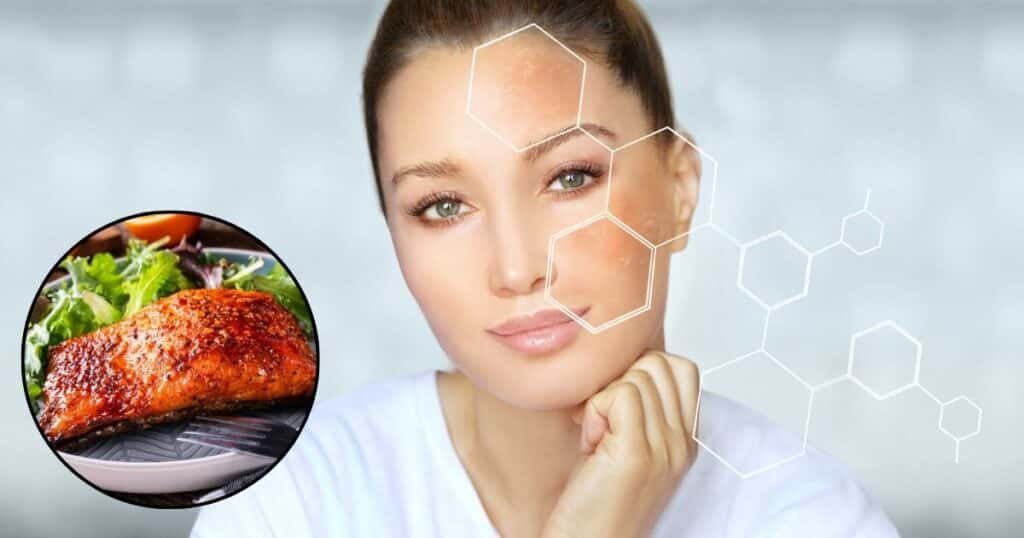
There are no foods that actually contain melanin, but eating the right nutrients can help your body make melanin and protect pigment‑making cells, which is useful alongside medical treatments for vitiligo. Think of food as support for your skin, not a cure; treatments like phototherapy and creams do the main job of repigmentation.
Simple facts first
- No “melanin‑rich” foods exist; your skin makes melanin from nutrients like tyrosine with the help of minerals such as copper, so focus on supporting this process.
- Diet alone won’t cure vitiligo, but a nutritious plan can help your skin and may improve results when combined with medical care.
How melanin is made
- Melanin is made by skin cells called melanocytes using an enzyme pathway that needs the amino acid tyrosine and the mineral copper; too much oxidative stress can damage these cells in vitiligo.
- So the food goal is simple: get steady protein (for tyrosine), enough copper and other minerals, and plenty of antioxidants to reduce cell stress.
Also Read: Vitiligo and Vitamin Deficiencies: Top 10 Shocking Connections
What to eat more often
- Protein for tyrosine: Eggs, milk/curd, chicken/fish, soy, beans, and lentils to feed the melanin pathway.
- Copper helpers: Nuts, seeds, legumes, mushrooms, potatoes, whole grains, leafy greens, and cocoa to support tyrosinase (the key enzyme).
- Iron and zinc: Lentils/beans, spinach and other greens, pumpkin seeds, seafood, eggs, and lean meats; add vitamin C foods with plant iron for better absorption.
- Antioxidant produce: “Eat the rainbow” with berries, pomegranate, leafy greens, and cruciferous veggies to help protect pigment cells from oxidative stress.
Supplements that are sometimes used
- Vitamin D: Check levels and correct deficiency; this can support treatment plans in vitiligo.
- Polypodium leucotomos: A plant extract that may boost results with phototherapy; use under medical guidance.
- Phenylalanine: An amino acid tested with UV‑B or topical therapy; only consider with a dermatologist’s supervision.
Common myths, made clear
- “Foods that add melanin”: No food directly puts melanin into your skin; your body must make it, and food only supports that process.
- Strict avoid lists: Universal “don’t eat” lists (like banning all tomatoes/citrus) are not backed by solid evidence for everyone; personalize instead of over‑restricting.
- Carrot glow vs melanin: Beta‑carotene can tint skin slightly but does not increase melanin or repigment vitiligo patches.
Also Read: Leukoderma vs Vitiligo: 7 Key Differences You Need to Know
Easy meal ideas
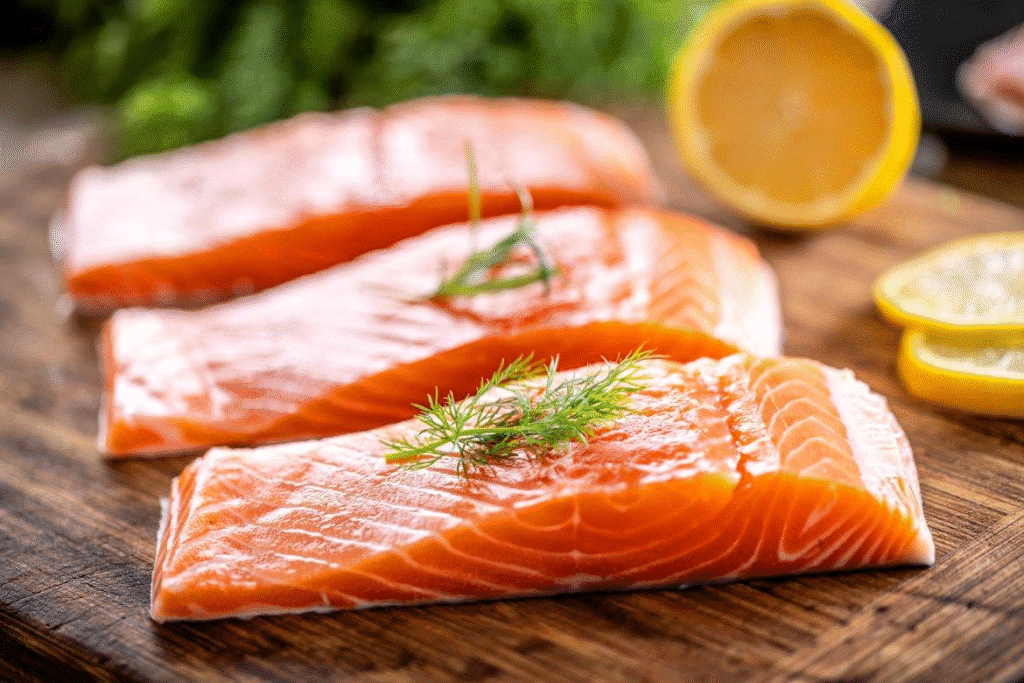
- Salmon/tofu bowl: Quinoa, sautéed mushrooms and spinach, pumpkin seeds, plus mixed berries—protein, copper, and antioxidants in one plate.
- Chickpea‑kale stir‑fry: Add sesame seeds and bell peppers; serve with brown rice or millet for plant protein, minerals, and vitamin C.
- Veg omelet: Eggs with mushrooms and broccoli, whole‑grain toast, and kiwi for a simple protein‑mineral‑antioxidant combo.
When diet helps most
- Fix deficiencies: Ask for tests for vitamin D and, if needed, iron, B12, folate, zinc, and copper; correcting gaps supports skin health and overall energy.
- Pair with treatment: Nutrients and selected supplements tend to work better alongside therapies like NB‑UVB rather than on their own.
FAQs
- Do any foods contain melanin? No; focus on protein, copper, and antioxidants to help your body make and protect melanin.
- Can diet cure vitiligo? No; it supports your care plan. Dermatologist‑guided treatments drive repigmentation.
- Best single nutrient? There isn’t one. Aim for balanced protein, adequate copper/iron/zinc, antioxidants, and correct vitamin D deficiency if present.

